
Call us now :08045804037
 Send Inquiry
 Send Inquiry
Bus Bar Insulating Shrouds
Bus Bar Insulating Shrouds Specification
- Surface Treatment
- Smooth finish
- Feature
- Flame retardant, anti-tracking, flexible, UV resistant
- Density
- 1.4 Gram per cubic centimeter(g/cm3)
- Coating Type
- Uncoated PVC
- Thermal Conductivity
- 0.25 W/mK
- Layer
- Single Layer
- Installation Guideline
- Push-fit or slip-on over bus bars; secure in place during switchgear assembly
- Size
- Custom sizes available
- Product Type
- Bus Bar Insulating Shrouds
- Material
- High Grade Polyvinyl Chloride (PVC)
- Rated Voltage
- 11 kV to 36 kV
- Tensile Strength
- 38 MPa
- Width
- 50 mm to 150 mm
- Thickness
- 2 mm to 8 mm
- Application
- Insulation of bus bars in electrical panels, switchgear, and distribution boards
- Breakdown Voltage
- >25 kV/mm
- Heat Conductivity
- Low (Insulating)
- Color
- Red, Yellow, Blue, Black, Green
- Max Withstanding Temperature
- Up to 110C
- Packaging
- Standard export packaging or customized
- Standards
- IEC 60695
- Resistant To
- Chemicals, moisture, and weathering
- Flammability Rating
- UL94 V-0
- UV Protection
- Yes
- Dielectric Strength
- 15 kV/mm
- Compliance
- RoHS Compliant
- Operating Temperature
- -10C to +110C
- Hardness (Shore D)
- 70 5
- Elongation at Break
- > 130%
- Water Absorption
- <0.1% (24 hrs at 23C)
- Shape
- Flat, L, U, or customized profile
About Bus Bar Insulating Shrouds
Provided Bus Bar Insulating Shrouds are used for insulating bus bar joints like tees, elbows in electrical applications of panel boards, switchgear, transformers, substations and overhead wiring. These shrouds are easy to install or suitable for insulating bus bar joint works applications. Further, offered shrouds provides significant reduction in air clearances, special buttons makes it quick to install, remove or replace during maintenance, excellent thermal and electrical properties, highly resistant to UV rays and ozone, good for indoor and outdoor applications. Offered Bus Bar Insulating Shrouds is made from specially formulated polyvinyl chloride material to provide excellent electrical insulation and to withstand higher operating temperature continuously. Apart from this, provided Bus Bar Insulating Shrouds provides significant reduction in air clearances, excellent thermal and electrical properties.
Why Choose Our Insulating Shrouds?
Enhanced with flame-retardant and UV-resistant properties, our bus bar insulating shrouds are meticulously crafted for environments that demand robust protection. Their high dielectric strength and low water absorption ensure safety and durability, making them ideal for electrical installations where reliability is crucial. Certified to international standards, these shrouds help prolong equipment life and support compliance with safety regulations.
Quality Assurance & Compliance
Manufactured in accordance with IEC 60695 and RoHS directives, our insulating shrouds meet stringent global standards for environmental and electrical safety. Our commitment to quality is reflected through the use of premium high-grade PVC and precise engineering, delivering consistent performance and customer satisfaction for partners and clients throughout India and worldwide.
Flexible Solutions for Every Installation
Available in flat, L, U, and customized profiles with push-fit or slip-on installation, these shrouds are designed to accommodate varied bus bar configurations. Whether selecting standard export packaging or bespoke options, customers benefit from adaptable sizing (width: 50150 mm; thickness: 28 mm) and smooth finishes, ensuring an efficient, tailored fit for unique project requirements.
FAQs of Bus Bar Insulating Shrouds:
Q: How do I install bus bar insulating shrouds in electrical panels or switchgear?
A: Installation is straightforward: simply push-fit or slip the shroud over the bus bar, then secure it in place during switchgear assembly. Their flexible design makes them suitable for various bus bar configurations, ensuring a tight, reliable fit.Q: What are the main benefits of using UL94 V-0 rated bus bar insulating shrouds?
A: Shrouds with a UL94 V-0 flammability rating offer excellent fire resistance, reducing the risk of flame propagation. Combined with strong dielectric strength and chemical, moisture, and UV resistance, they help ensure safe, long-lasting insulation in demanding electrical setups.Q: Where are these insulating shrouds commonly used?
A: They are primarily used to insulate bus bars in electrical panels, switchgear, and distribution boards. Suitable for both indoor and outdoor installations, they protect conductors in commercial, industrial, and utility electrical infrastructure.Q: Can the shrouds be customized for unique bus bar shapes and sizes?
A: Absolutely. These shrouds are available in flat, L, U, and other custom profiles. Dimensions such as width and thickness, as well as color, can be tailored to suit specific bus bar requirements, ensuring compatibility with any installation.Q: What features make these shrouds weather and chemical resistant?
A: Manufactured from high-grade PVC, the shrouds maintain their structural integrity when exposed to moisture, harsh weather, and chemicals. This durability, enhanced by their UV protection and smooth surface finish, makes them resilient against environmental stressors.Q: How does RoHS compliance benefit users of these insulating shrouds?
A: RoHS compliance ensures that the shrouds are free from hazardous substances, making them safe for users and environmentally responsible. This attribute is particularly important for organizations seeking to meet regulatory standards across global markets.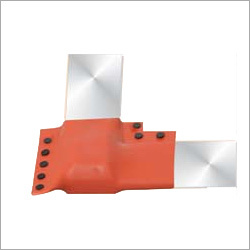
Tell us about your requirement

Price:
Quantity
Select Unit
- 50
- 100
- 200
- 250
- 500
- 1000+
Additional detail
Mobile number
Email

More Products in Switchgear Insulation Products Category
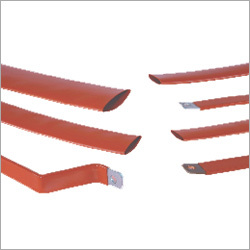
Busbar Sleeve
Feature : Flameretardant, flexible, high insulation, anticorrosive, UV resistant
Size : Customized as per busbar dimensions
Installation Guideline : Slide on or heat shrink method as per product design
Application : Electrical insulation for busbars in panels and switchgear
Color : Red, Yellow, Blue, Green, Black, Transparent or as required
Material : PVC (Polyvinyl Chloride)
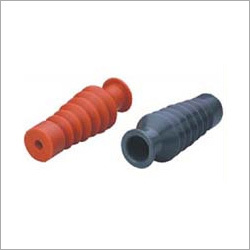
Bushing-Bellows
Feature : Flexible durable weatherresistant
Size : Varies based on cable diameter
Installation Guideline : Slide onto cable ends ensure snug fit
Application : Electrical insulation and cable protection
Color : Red Black
Material : Rubber
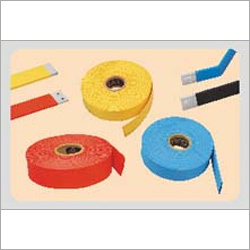
Busbar Tubes
Feature : Excellent dielectric strength and easy application
Size : Multiple sizes available for various busbar dimensions
Installation Guideline : Wrap the busbar tube around the busbar and heatshrink for secure installation
Application : Used for insulating busbars in electrical panels
Color : Available in yellow red blue and black
Material : PVC material
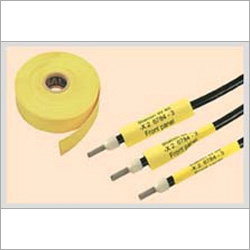
Thin Wall Tube - Wire Marking
Feature : Thin Wall
Size : Various sizes available
Installation Guideline : Ensure proper fit over wire insulation
Application : Wire Marking
Color : Yellow
Material : Polyolefin

 Send Inquiry
Our Products
- Heat Shrinkable Joints & Terminations
- Insulation Enhancement Products
- Screened Seperable Connector
- Heat Shrinkable Moulded Shapes
- Shrinkable Tubes
- Switchgear Insulation Products
- Cable Sealing & Repair Products
- Overhead Line Cover (Insulcover)
- Overhead Line Tube (Insulcover)
- Catholic Protection Products
- Pole Protection Products
- Heat Shrinkable Tube
- New Item
- Miscellaneous Items
- Electrical Insulating Shroud (Insulshroud)
- Polymeric Insulator (Support Isulator)

404/406, 4th Floor, Eureka Tower, New Link Road,
Behind Toyota Showroom, Mindspace, Malad West Mumbai - 400064, Maharashtra, India

Mrs. Linette F D'souza
(Executive Assistant to MD)
Mobile :08045804037
 Send Inquiry
 Send SMS
Developed and Managed by Infocom Network Private Limited.
